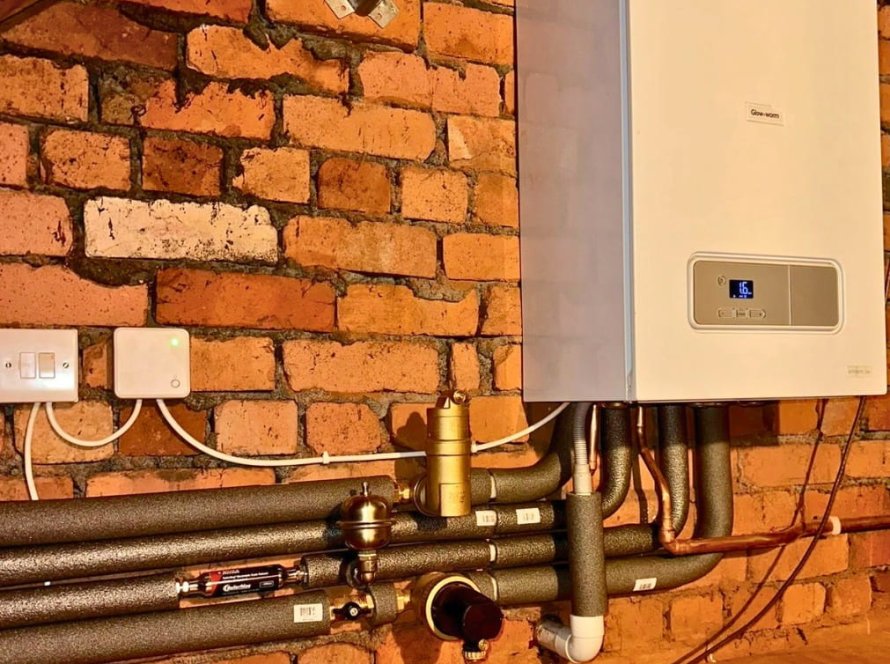
CChoosing the right boiler for your home is essential for efficient heating and a hot water supply. With various types of boilers available, it can be challenging to decide which one best suits your needs. In this blog, we will explore the different types of boilers commonly used in UK homes and their advantages.
Combi Boilers
Combination (combi) boilers are the most popular type of boiler in the UK. They provide both heating and hot water directly from the mains, eliminating the need for a separate hot water cylinder or cold water storage tank.
Advantages:
- Space-saving: Combi boilers are compact and ideal for smaller homes.
- Instant hot water: Hot water is provided on demand without waiting for a tank to heat up.
- Energy-efficient: They heat water only when needed, reducing energy consumption.
System Boilers
System boilers, also known as sealed system boilers, work similarly to combi boilers but require a separate hot water cylinder. They don’t need a cold water tank, making them more suitable for homes with limited loft space.
Advantages:
- Consistent water pressure: System boilers provide a steady flow of hot water, even if multiple taps are used simultaneously.
- Efficient for larger homes: They can efficiently supply hot water to multiple bathrooms.
- Compatible with solar heating: System boilers can be used with solar water heating systems, reducing energy costs.
Conventional Boilers
Conventional boilers, also known as regular or heat-only boilers, are the traditional type of boiler system. They require both a hot water cylinder and a cold water storage tank.
Advantages:
- Ideal for large homes: Conventional boilers are suitable for homes with high hot water demand and multiple bathrooms.
- Compatible with old heating systems: They can be integrated with older heating systems without major modifications.
- Backup immersion heater: The hot water cylinder can be fitted with an immersion heater for an alternative hot water source.
Electric Boilers
Electric boilers use electricity to heat water for central heating and domestic hot water. They are an alternative to gas or oil-fired boilers and are often used in properties without access to the gas grid.
Advantages:
- Zero emissions: Electric boilers produce no emissions, making them environmentally friendly.
- Quiet operation: They operate more quietly than gas or oil boilers.
- Easy installation: Electric boilers are straightforward to install, with no need for flue or fuel storage.
Oil Boilers
Oil boilers are commonly used in rural areas where gas supply is limited. They burn oil for heating and hot water, and require an oil storage tank.
Advantages:
- Efficient heating: Modern oil boilers are highly efficient, providing good value for money.
- Independence from the gas grid: Oil boilers are a viable option for homes not connected to the gas network.
- Long lifespan: With proper maintenance, oil boilers can have a long operational life.
Conclusion
Understanding the different types of boilers can help you make an informed decision when choosing a new boiler for your home. Each type has its unique advantages, and the best choice depends on your home’s size, hot water demand, and existing heating system. For expert advice and installation services, contact Passco Plumbing & Heating. Our experienced team can help you select the perfect boiler to ensure your home stays warm and comfortable.